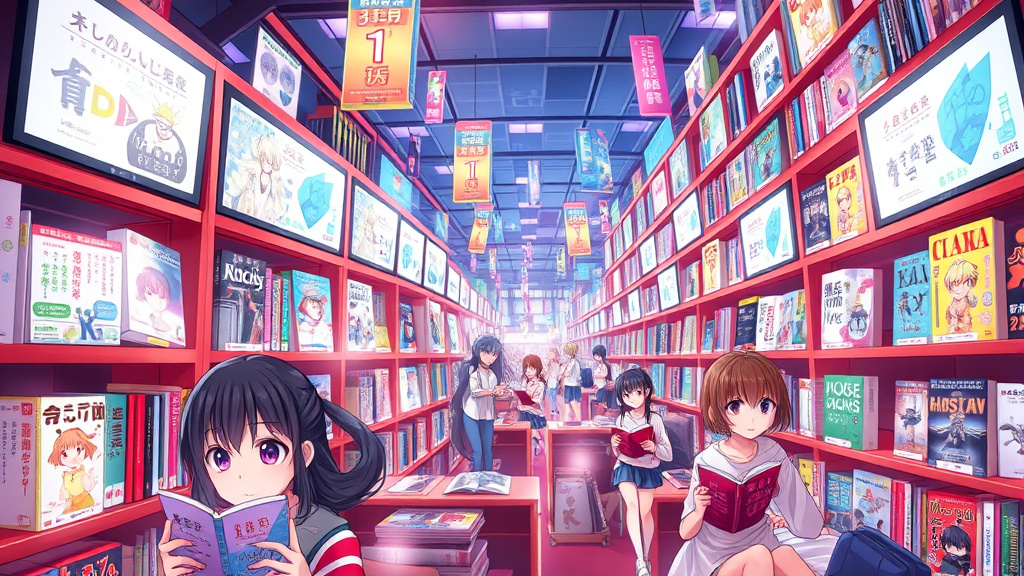
Manga-like works have taken the world by storm, influencing countless art forms beyond the traditional Japanese comics. This distinctive style isn’t just confined within the pages of manga but has seeped into animations, graphic novels, art projects, and even mainstream pop culture. Exploring manga like works in various media reveals not only a vibrant aesthetic but also a rich cultural exchange that broadens the horizon of contemporary visual storytelling.
Beyond the Panels: Exploring Manga-Like Art Styles in Other Media
Manga’s signature art style—characterized by expressive faces, dynamic action lines, and detailed backgrounds—has inspired artists across multiple disciplines. Beyond comics, this style manifests in animated series, video game design, concept art, and even fashion illustration. The Frankly diverse adoption of manga-like aesthetics underscores their universal appeal and adaptability, allowing creators to evoke certain emotional or stylistic cues familiar to manga fans.
The influence extends into the digital realm, with many independent artists utilizing manga-like aesthetics to craft webcomics and digital illustrations that resonate globally. This crossover highlights how the striking visual language of manga can evoke narrative depth and character emotion without spoken words, making it a powerful tool across media. The seamless blend of traditional manga traits with other art forms continues to shape the future of visual storytelling.
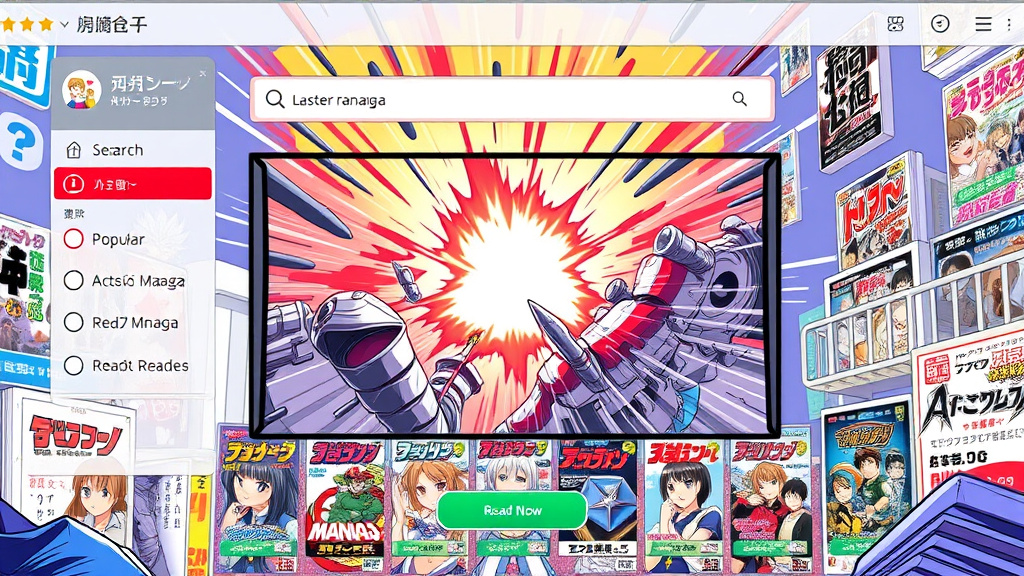
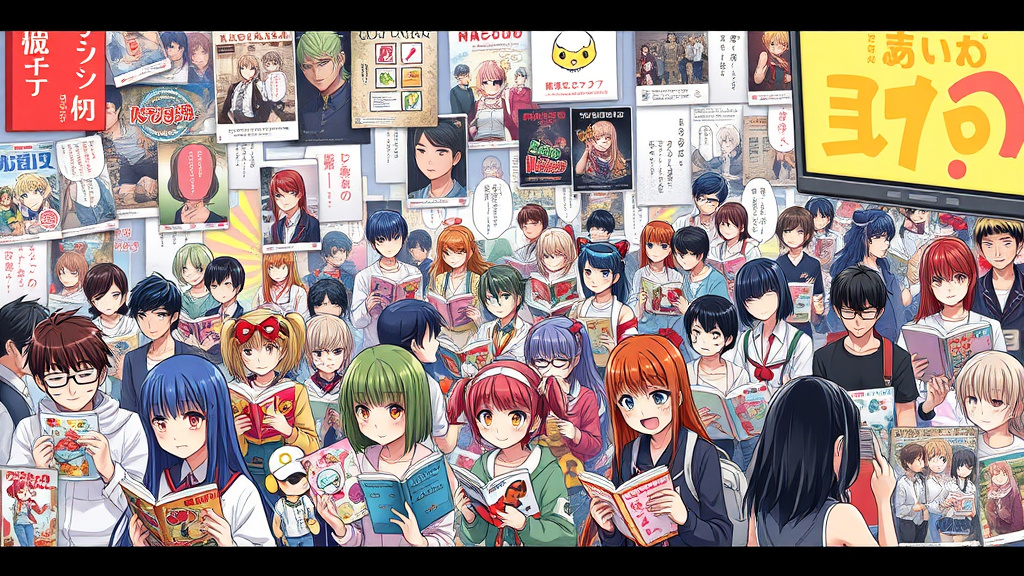 Hình minh họa: manga like – website to read manga online
If You Like Manga, You'll Love These Alternative Comics and Graphic Novels
For those who enjoy manga, discovering alternative comics and graphic novels that push the boundaries of genre and style can be an eye-opening experience. Many creators introduce manga-inspired elements—such as panel layouts, expressive characters, and thematic depth—while exploring different cultural narratives or experimental formats. Titles like "Aya" by Marguerite Abouet or "The Rabbi's Cat" by Joann Sfar demonstrate how manga-like storytelling techniques are effectively adapted into unique narratives.
Moreover, these works often incorporate the same sense of pacing, emotional intensity, and visual dynamism found in manga, making them natural extensions for manga fans. They challenge conventions and encourage readers to appreciate different cultural approaches to sequential art while maintaining the energetic spirit that manga embodies. Expanding your manga horizons with such alternatives enhances your appreciation for diverse storytelling styles rooted in manga-like artistry.
Anime's Written Cousins: A Guide to Titles Similar in Tone and Style to Manga
While manga is primarily a visual medium, its written counterparts—light novels, visual novels, and graphic storytelling—share similar stylistic inspirations. Many of these titles feature the same detailed character designs, expressive imagery, and narrative pacing found in manga. For instance, visual novels like "Clannad" or "Steins;Gate" incorporate manga-like art styles, bringing manga’s aesthetic sensibility into interactive formats.
This genre crossover offers manga enthusiasts a new dimension of engagement, combining intricate storytelling with manga-inspired visuals. These titles often voice characters with expressive animation, convey emotional depth through artwork, and employ panel-like storytelling to guide players through complex narratives. Exploring these anime-like or manga-inspired written works opens up new portals for fans eager to experience their favorite stylistic elements in diverse formats.
Expanding Your Horizons: Recommendations for Readers Who Enjoy Manga
Exploring manga like works from different parts of the world can radically expand your understanding of visual storytelling. Countries such as South Korea, China, and France have produced comics and graphic novels with manga influences but also with their unique traits—like Korea’s manhwa with its distinct reading orientation or France’s bandes dessinées that blend Western and Eastern styles.
Some standout recommendations include South Korean manhwa like "The God of High School" or "Tower of God," which showcase dynamic action sequences reminiscent of shonen manga. European graphic novels like "Blacksad" or "Aya" enrich this palette with their sophisticated art styles and mature themes. These varied cultural interpretations deepen the appeal for manga fans eager to discover new ways the manga-like aesthetic is being adopted worldwide.
Manga-Inspired: A Deep Dive into the Influences and Aesthetics
The aesthetic elements that define manga—such as large expressive eyes, speed lines, dramatic panel layouts, and stylized hair—are rooted in both cultural tradition and storytelling efficiency. These elements serve to amplify emotion, clarify action, and create a distinctive rhythm within the story. Understanding these core aesthetics helps in recognizing manga-like qualities in works from diverse origins.
Moreover, the influence of manga’s iconography extends into the conceptual realm, fostering a visual language that emphasizes character emotion, mood, and pacing. Artists worldwide have incorporated these stylistic symbols into their work to evoke the same visceral response manga provides. This aesthetic transference signifies how manga’s visual storytelling has become a global phenomenon, inspiring cultural dialogue through art that bridges East and West.
From Japan to the World: Discovering Globally-Produced Manga-Like Works
The global proliferation of manga’s style has resulted in a vibrant ecosystem of works produced outside Japan that embody manga-like aesthetics. Countries such as France, Italy, and the Philippines boast talented creators who have adopted manga-inspired art, blending local storytelling traditions with manga’s visual language. Projects like the French webcomic "Wakfu" or Filipino titles like "Trese" showcase this creative fusion.
By exploring these globally-produced works, manga enthusiasts gain insight into how different cultures interpret and adapt manga aesthetics. These adaptations often introduce novel thematic elements, artistic innovations, and storytelling techniques that enrich the worldwide manga phenomenon. The international spread exemplifies how manga-like art styles transcend borders, uniting diverse audiences with a shared visual culture rooted in expressive and dynamic design.
The Manga Aesthetic: Identifying Key Elements and Finding Similar Content
To accurately identify content that mirrors manga’s aesthetic, it’s vital to recognize key stylistic elements. Large, emotive eyes, exaggerated facial expressions, motion lines, and screen tone effects are hallmarks. Dynamic panel layouts and a focus on character-driven storytelling further solidify the manga-like quality. Learning to spot these traits can direct you toward works that evoke the same mood, action, and emotional resonance.
Once familiar with these features, you can systematically explore works across genres and media—whether webcomics, animation, or digital art—that employ manga-inspired designs. Many creators intentionally adopt these stylistic elements to appeal to manga fans or evoke certain emotional responses. This identification process enhances your ability to find content that truly resonates with your love for manga-like visual storytelling.
Beyond Shonen and Shojo: Exploring Niche Titles That Capture the Manga Spirit
While shonen and shojo are the most recognizable manga genres, countless niche titles embody the manga spirit through their distinct themes and artistic choices. Titles exploring horror, psychological horror, LGBTQ+ themes, or experimental formats often adopt manga-like aesthetics to deepen their narrative impact. For example, "Uzumaki" by Junji Ito uses manga-inspired horror visuals to unnerve and captivate readers.
Delving into these niche areas reveals how the manga aesthetic can adapt to diverse storytelling agendas. These titles often challenge conventions and push boundaries, but they share a common visual language rooted in manga—bold lines, intricate details, and expressive characters. Such exploration enriches the reader’s experience by showcasing the versatility and cultural depth of manga-like art beyond mainstream genres.
For Manga Fans: Unearthing Hidden Gems in the World of Sequential Art
The world of sequential art is vast, filled with hidden gems that embody manga’s aesthetic and storytelling principles. Digging through independent publishers, online platforms like Webtoon, or international comic festivals can unveil innovative works that haven’t yet gained widespread recognition. Many of these titles resonate strongly with manga enthusiasts because they contain the same artistic energy and thematic richness.
These hidden gems often feature original takes on familiar manga tropes—epic battles, intense emotional arcs, and stylized character designs—while offering fresh perspectives and cultural influences. For avid manga fans, uncovering these lesser-known works provides a sense of discovery and connection to the global community of creators shaping the future of manga-like narratives around the world.
Manga and Its Legacy: Tracing the Influence and Finding Comparable Works
The influence of manga is undeniably profound, shaping not only countless works within Japan but also inspiring a legacy that reaches across continents. Its aesthetic and storytelling techniques have intertwined with comic art globally, giving rise to a broad spectrum of manga-like works that continue to evolve. This legacy fosters cross-cultural collaborations and innovative storytelling that honor manga’s roots while expanding its horizons.
As manga continues to inspire, it also learns from new influences—digital art, Western comics, and experimental media—blurring the lines between traditional forms. Recognizing these influences allows fans and creators alike to appreciate the rich tapestry of manga’s legacy and locate works that align with their aesthetic and thematic preferences. The ongoing evolution underscores manga’s role as a dynamic, global art form, inspiring generations of artists and storytellers worldwide.
Conclusion
Manga-like art styles have transcended their Japanese origins to influence a vast array of media and cultural expressions worldwide. From alternative comics and graphic novels to international productions and digital illustrations, the distinctive aesthetic qualities of manga—emotional expressiveness, dynamic action, and stylized character design—continue to shape new forms of storytelling. Whether exploring niche genres, discovering hidden gems, or engaging with globally-produced works, fans can expand their horizons by recognizing and appreciating the universal appeal of manga’s visual language. This ongoing creative exchange highlights manga’s enduring legacy and the limitless potential for visual storytelling across cultures and media, uniting diverse audiences under a shared, dynamic artistic banner.